Composite lay-up
Robotic application identified in the document for aerospace environments.
PURETECH · TECHNOLOGY
Over the years, robotics has entered an increasing number of production sectors, initially valued mainly for repetitive tasks.
Today, robot guidance systems can correct robotic system part programs in real time. This is enabling the development of increasingly complex robotic cells that can perform more demanding tasks while supporting traceable, highly repeatable processes.
Robots are also particularly valuable in environments that are hostile to human presence, whether because of air-quality concerns or poor ergonomics. In such settings, a robot-based system may be preferred to having an operator perform the task.
Robotic installations are still relatively uncommon in aerospace environments. Their main uses include composite lay-up, drilling complex parts and trimming composite components.
For these applications, PURETECH has developed end effectors to address complex tasks, including nutplate installation; internal airframe drilling with C-Clamp drilling and riveting systems; drilling with ADUs; and quality inspection using 3D scanning systems.
Sequence described in the technical text
Functional diagram based on the supplied text; sensors, control architectures and communication protocols are not specified.
Robotic application identified in the document for aerospace environments.
Drilling operations on complex geometries and components.
Trimming operations on composite parts.
For these applications, PURETECH has developed end effectors to address complex tasks, including nutplate installation; internal airframe drilling with C-Clamp drilling and riveting systems; drilling with ADUs; and quality inspection using 3D scanning systems.
EasyNut PF Robotic system with a dedicated end effector.
Solutions for internal airframe drilling using C-Clamp systems.
Robotic drilling systems with Advanced Drilling Units.
Quality inspection using three-dimensional scanning systems.
Nutplate installation remains a niche market, although the process is widely required across airframes, aircraft, helicopters and drones. PURETECH has developed the EasyNut PF Robotic system for this application: an advanced, high-technology end effector.
Its main features include:
Wide range stated in the document
Independently programmable
With tool-change rack
Ultra-high-definition vision
For dust and chips
Integrated minimum-quantity lubrication
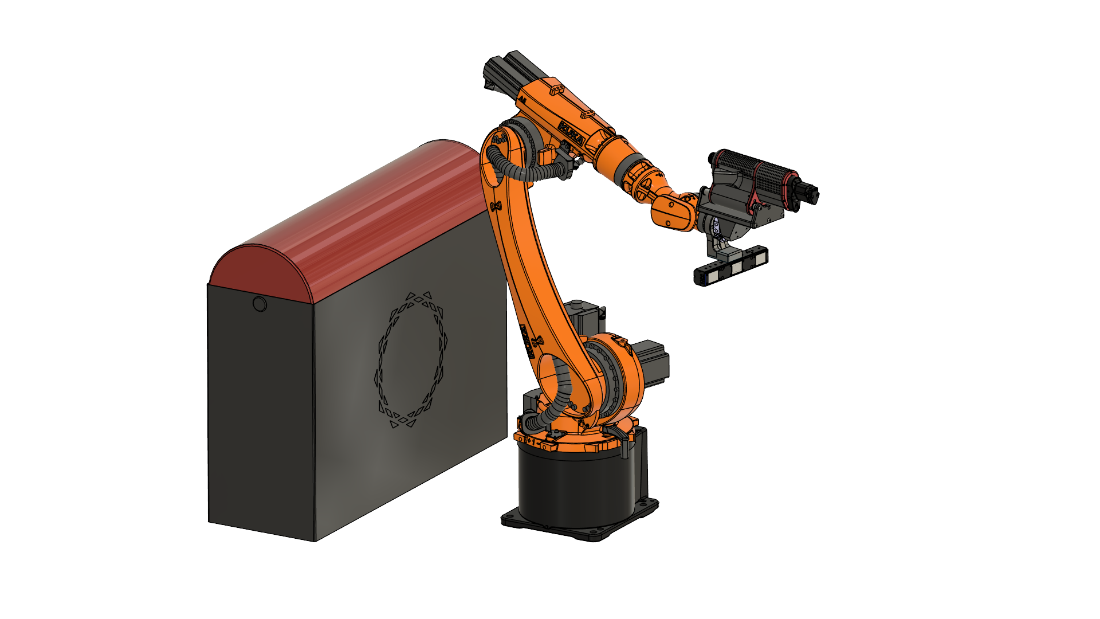
Robotic cell and EasyNut PF Robotic system in the configuration shown in the technical document.
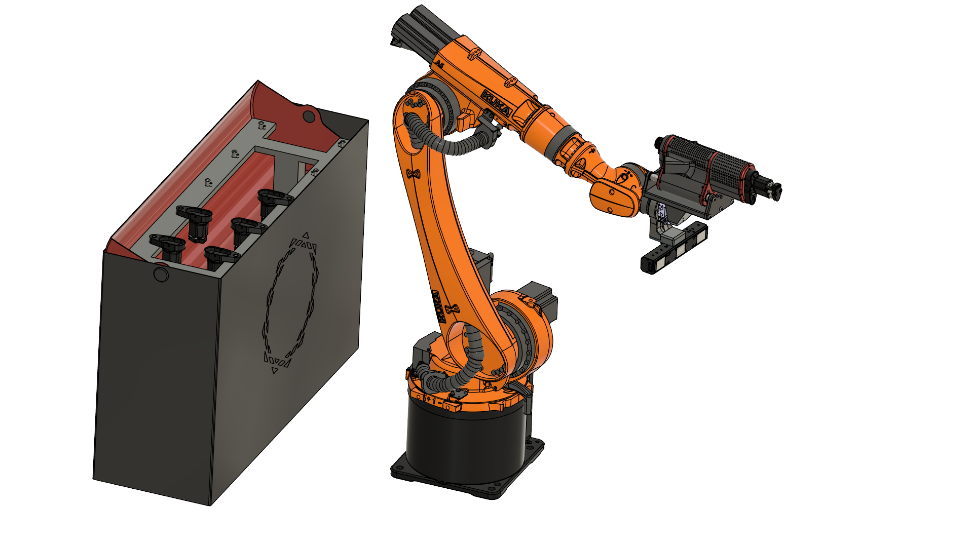
Configuration with tool-change rack.
Head-change detail
Lightweight, robust machine body, dedicated air cooling, and a multiprocess controller with an AI algorithm to manage drilling parameters.
Subsystems described in the document
The diagram organizes features stated in the document; it does not describe wiring or unspecified automatic sequences.
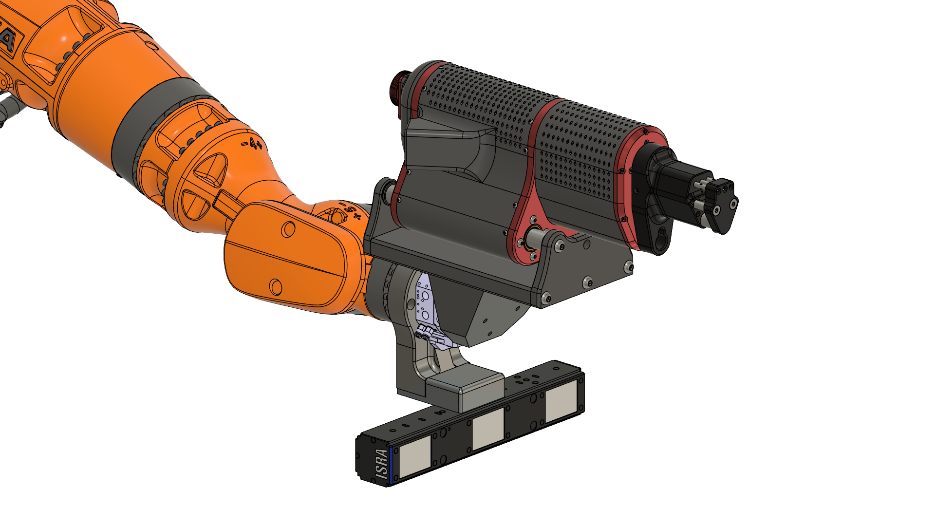
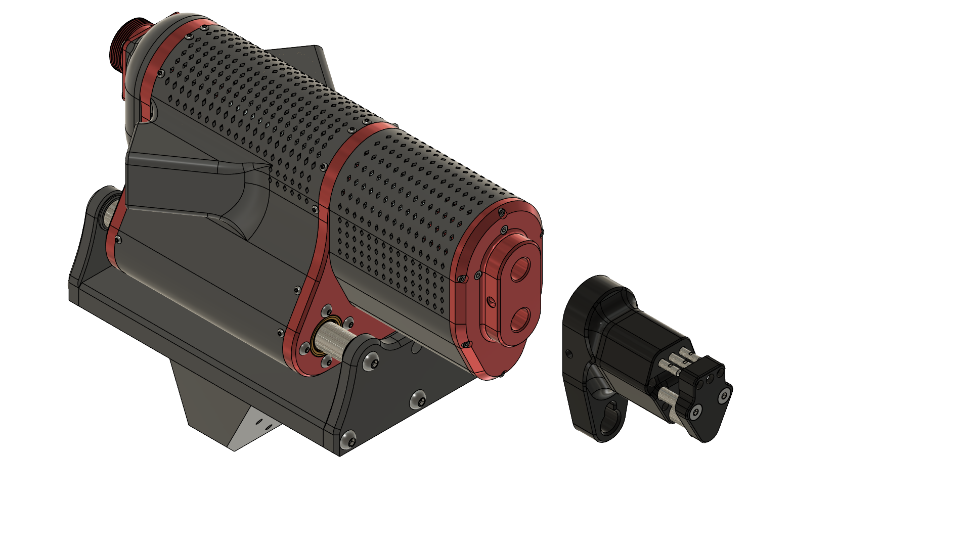
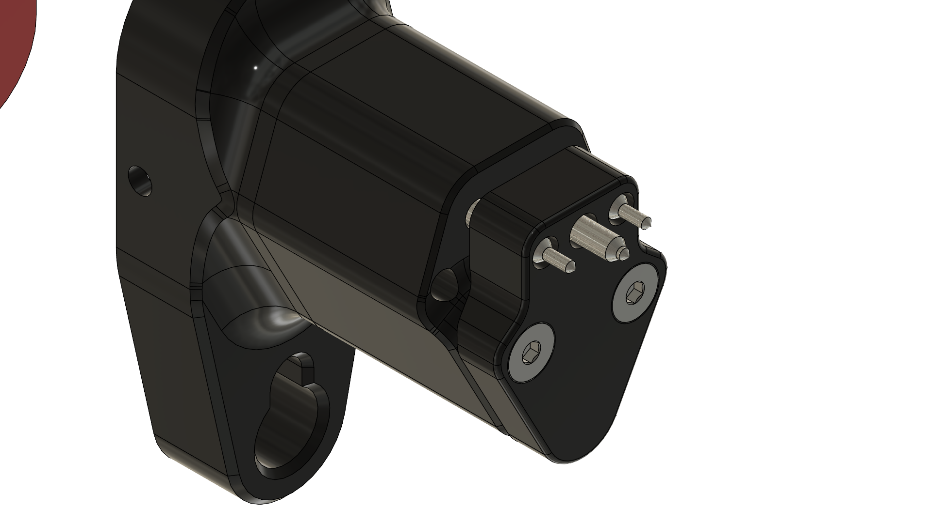
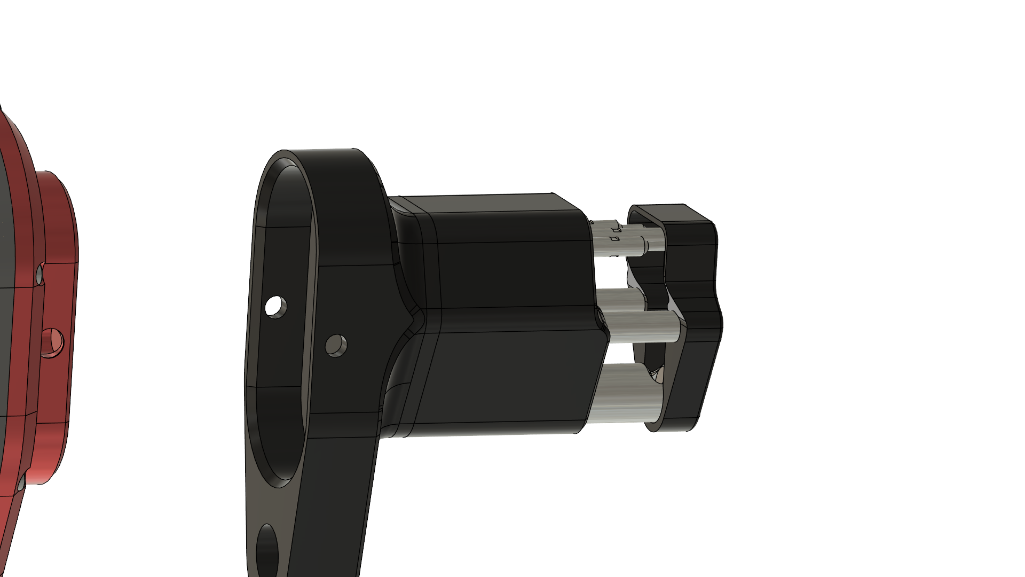
Capability to produce three holes with precision countersinking in a single step.
The system can be integrated with different robot types and brands, configured according to the project.
Three precision-countersunk holes
The system can be integrated with different robot types and brands; the configuration is defined for each project.